Buy roadcycling.eu ?
We are moving the project
roadcycling.eu .
Are you interested in purchasing the domain
roadcycling.eu ?
domain@kv-gmbh.de · 0541-91531010
Buy roadcycling.eu ?
What speed in km/h per gear?
The speed in km/h per gear can vary depending on the vehicle's make and model. However, as a general guideline, in most manual transmission cars, the speed in km/h per gear typically increases as you shift up. For example, in first gear, you might reach speeds up to 30 km/h, while in second gear, you could go up to 60 km/h, and so on. It's important to consult your vehicle's manual for specific information on the speed range for each gear. **
In curves, which gear and at what speed (in km/h)?
In curves, it is generally recommended to downshift to a lower gear to maintain control and stability. The appropriate gear and speed will depend on the specific curve and the vehicle being driven. As a general guideline, when approaching a curve, it is advisable to downshift to a lower gear (such as second or third gear) and reduce speed to a safe and manageable level, typically between 20-40 km/h, depending on the sharpness of the curve. It is important to adjust speed and gear selection based on road conditions, visibility, and the handling capabilities of the vehicle. **

Similar search terms for Km
Top-Angebote
Products related to Km:
-
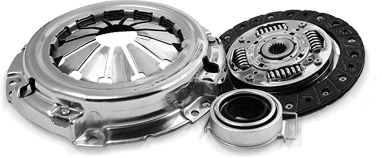
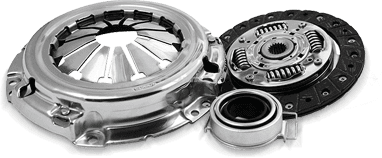
AISIN KM-010A Clutch kitMulti-piece: three-piece; Supplementary Article / Supplementary Info: with clutch pressure plate; Supplementary Article / Supplementary Info Info 2: with clutch disc, with clutch release bearing; Diameter: 200; Number of Teeth: 20; Product line: AISIN Clutch Kit (3P); Construction Year to: 11/1991, 05/1986, 12/1989, 08/1995; Vehicle type: Galant, Space Wagon; Construction Year from: 08/1993110,99 £*Shipping: 8,45 £Secure redirect to the provider
-
AISIN KM-066 Clutch kitMulti-piece: three-piece; Supplementary Article / Supplementary Info: with clutch pressure plate; Supplementary Article / Supplementary Info Info 2: with clutch disc, with clutch release bearing; Diameter: 225; Number of Teeth: 23; Product line: AISIN Clutch Kit (3P)172,99 £*Shipping: 1,99 £Secure redirect to the provider
-
AISIN KM-077 Clutch kitMulti-piece: three-piece; Supplementary Article / Supplementary Info: with clutch pressure plate; Supplementary Article / Supplementary Info Info 2: with clutch disc, with clutch release bearing; Diameter: 215; Number of Teeth: 23; Product line: AISIN Clutch Kit (3P)139,99 £*Shipping: 1,99 £Secure redirect to the provider
-
CoreParts MSP4010 Fuser Assembly 220V for Kyocera FS-1350DN / FS-1028MFP / FS-1128MFP, KM-2810 / KM-2820CoreParts 220 V fuser (fixing) unit for Kyocera FS-1350DN, FS-1028MFP, FS-1028MFP/DP, FS-1128MFP, FS-1128MFP/SP, KM-2810 and KM-2820 printers.106,99 £*Shipping: 0,00 £Secure redirect to the provider



-
What is the second gear at a speed of 200 km/h?
The second gear at a speed of 200 km/h would not be applicable in most vehicles. Second gear is typically used at lower speeds, such as during acceleration from a stop or at speeds up to around 40-50 km/h. At 200 km/h, a vehicle would likely be in a higher gear, such as fifth or sixth gear, depending on the specific transmission and gear ratios. **
-
Is it better to commute the 26 km work route by bicycle or scooter at a speed of 45 km/h?
Commuting the 26 km work route by bicycle would be a better option for several reasons. Firstly, cycling is a more environmentally friendly mode of transportation compared to using a scooter. Secondly, cycling provides a good form of exercise, which can contribute to better physical health. Lastly, cycling can be a more cost-effective option in the long run as there are no fuel costs associated with it. **
-
How many watts does a cyclist need when riding at a speed of 30 km/h, if he needs 150 watts at a speed of 20 km/h?
To calculate the power needed by the cyclist at 30 km/h, we can use the formula P = Fv, where P is power, F is force, and v is velocity. Since the force required to maintain a speed is constant, we can assume that the power is directly proportional to the velocity. Therefore, if the cyclist needs 150 watts at 20 km/h, he would need 225 watts at 30 km/h (150 watts * 30 km/h / 20 km/h = 225 watts). **
-
How many km/h can a cyclist reach at maximum?
A professional cyclist can reach speeds of up to 70-80 km/h during a sprint or downhill descent. However, the average speed for a recreational cyclist on flat terrain is around 15-25 km/h. Factors such as terrain, wind, and the cyclist's fitness level can also affect their maximum speed. **

How do I shift into first gear at a speed below 10 km/h?
To shift into first gear at a speed below 10 km/h, you should first press the clutch pedal all the way down with your left foot. Then, move the gear shift lever into the first gear position with your right hand. Slowly release the clutch pedal while gently pressing the gas pedal to smoothly engage the gear. It is important to coordinate the release of the clutch and the press of the gas pedal to prevent stalling the engine. **
What happens if you shift to reverse gear at a speed of 200 km/h?
Shifting to reverse gear at a speed of 200 km/h would cause severe damage to the transmission system of the vehicle. The sudden change in direction of the gears from forward to reverse at such a high speed would put immense stress on the transmission components, likely leading to their failure. This could result in the transmission locking up, causing the wheels to skid and potentially leading to a loss of control of the vehicle. It is important to always shift gears according to the recommended speeds to avoid damaging the vehicle and ensure safety on the road. **
Top-Angebote
Products related to Km:
-
AISIN KM-029 Clutch kitMulti-piece: three-piece; Supplementary Article / Supplementary Info: with clutch pressure plate; Supplementary Article / Supplementary Info Info 2: with clutch disc, with clutch release bearing; Diameter: 230; Number of Teeth: 20; Product line: AISIN Clutch Kit (3P); Construction Year to: 01/2004, 07/2001, 05/2003, 06/2004, 10/2006, 05/2005; Vehicle type: Space Wagon, Outlander, Grandis, XNHMZL6, XNMMZL6, XNMML6; Construction Year from: 08/2001, 07/2004, 06/2007245,99 £*Shipping: 1,99 £Secure redirect to the provider
-
AISIN KM-010A Clutch kitMulti-piece: three-piece; Supplementary Article / Supplementary Info: with clutch pressure plate; Supplementary Article / Supplementary Info Info 2: with clutch disc, with clutch release bearing; Diameter: 200; Number of Teeth: 20; Product line: AISIN Clutch Kit (3P); Construction Year to: 11/1991, 05/1986, 12/1989, 08/1995; Vehicle type: Galant, Space Wagon; Construction Year from: 08/1993110,99 £*Shipping: 8,45 £Secure redirect to the provider
-
AISIN KM-066 Clutch kitMulti-piece: three-piece; Supplementary Article / Supplementary Info: with clutch pressure plate; Supplementary Article / Supplementary Info Info 2: with clutch disc, with clutch release bearing; Diameter: 225; Number of Teeth: 23; Product line: AISIN Clutch Kit (3P)172,99 £*Shipping: 1,99 £Secure redirect to the provider
-
What speed in km/h per gear?
The speed in km/h per gear can vary depending on the vehicle's make and model. However, as a general guideline, in most manual transmission cars, the speed in km/h per gear typically increases as you shift up. For example, in first gear, you might reach speeds up to 30 km/h, while in second gear, you could go up to 60 km/h, and so on. It's important to consult your vehicle's manual for specific information on the speed range for each gear. **
-
In curves, which gear and at what speed (in km/h)?
In curves, it is generally recommended to downshift to a lower gear to maintain control and stability. The appropriate gear and speed will depend on the specific curve and the vehicle being driven. As a general guideline, when approaching a curve, it is advisable to downshift to a lower gear (such as second or third gear) and reduce speed to a safe and manageable level, typically between 20-40 km/h, depending on the sharpness of the curve. It is important to adjust speed and gear selection based on road conditions, visibility, and the handling capabilities of the vehicle. **
-
What is the second gear at a speed of 200 km/h?
The second gear at a speed of 200 km/h would not be applicable in most vehicles. Second gear is typically used at lower speeds, such as during acceleration from a stop or at speeds up to around 40-50 km/h. At 200 km/h, a vehicle would likely be in a higher gear, such as fifth or sixth gear, depending on the specific transmission and gear ratios. **
-
Is it better to commute the 26 km work route by bicycle or scooter at a speed of 45 km/h?
Commuting the 26 km work route by bicycle would be a better option for several reasons. Firstly, cycling is a more environmentally friendly mode of transportation compared to using a scooter. Secondly, cycling provides a good form of exercise, which can contribute to better physical health. Lastly, cycling can be a more cost-effective option in the long run as there are no fuel costs associated with it. **
Similar search terms for Km
-
AISIN KM-077 Clutch kitMulti-piece: three-piece; Supplementary Article / Supplementary Info: with clutch pressure plate; Supplementary Article / Supplementary Info Info 2: with clutch disc, with clutch release bearing; Diameter: 215; Number of Teeth: 23; Product line: AISIN Clutch Kit (3P)139,99 £*Shipping: 1,99 £Secure redirect to the provider
-
CoreParts MSP4010 Fuser Assembly 220V for Kyocera FS-1350DN / FS-1028MFP / FS-1128MFP, KM-2810 / KM-2820CoreParts 220 V fuser (fixing) unit for Kyocera FS-1350DN, FS-1028MFP, FS-1028MFP/DP, FS-1128MFP, FS-1128MFP/SP, KM-2810 and KM-2820 printers.106,99 £*Shipping: 0,00 £Secure redirect to the provider
-
CoreParts Upper Roller Gear 38T for Kyocera KM & TASKalfa 180/181/220/221 - Pack of 2 (MSP8852)CoreParts MSP8852 replacement upper roller gear (38 teeth) for Kyocera copiers and multifunction printers. Pack of 2.Compatible with Kyocera KM-1620, KM-1635, KM-1650, KM-2035, KM-2050, KM-2550 and TASKalfa 180, 181, 220 and 221.13,99 £*Shipping: 0,00 £Secure redirect to the provider
-
How many watts does a cyclist need when riding at a speed of 30 km/h, if he needs 150 watts at a speed of 20 km/h?
To calculate the power needed by the cyclist at 30 km/h, we can use the formula P = Fv, where P is power, F is force, and v is velocity. Since the force required to maintain a speed is constant, we can assume that the power is directly proportional to the velocity. Therefore, if the cyclist needs 150 watts at 20 km/h, he would need 225 watts at 30 km/h (150 watts * 30 km/h / 20 km/h = 225 watts). **
-
How many km/h can a cyclist reach at maximum?
A professional cyclist can reach speeds of up to 70-80 km/h during a sprint or downhill descent. However, the average speed for a recreational cyclist on flat terrain is around 15-25 km/h. Factors such as terrain, wind, and the cyclist's fitness level can also affect their maximum speed. **
-
How do I shift into first gear at a speed below 10 km/h?
To shift into first gear at a speed below 10 km/h, you should first press the clutch pedal all the way down with your left foot. Then, move the gear shift lever into the first gear position with your right hand. Slowly release the clutch pedal while gently pressing the gas pedal to smoothly engage the gear. It is important to coordinate the release of the clutch and the press of the gas pedal to prevent stalling the engine. **
-
What happens if you shift to reverse gear at a speed of 200 km/h?
Shifting to reverse gear at a speed of 200 km/h would cause severe damage to the transmission system of the vehicle. The sudden change in direction of the gears from forward to reverse at such a high speed would put immense stress on the transmission components, likely leading to their failure. This could result in the transmission locking up, causing the wheels to skid and potentially leading to a loss of control of the vehicle. It is important to always shift gears according to the recommended speeds to avoid damaging the vehicle and ensure safety on the road. **
* All prices are inclusive of VAT and, if applicable, plus shipping costs. The offer information is based on the details provided by the respective shop and is updated through automated processes. Real-time updates do not occur, so deviations can occur in individual cases. ** Note: Parts of this content were created by AI.