Buy roadcycling.eu ?
We are moving the project
roadcycling.eu .
Are you interested in purchasing the domain
roadcycling.eu ?
domain@kv-gmbh.de · 0541-91531010
Buy roadcycling.eu ?
How does the brake pedal feel soft?
The brake pedal may feel soft if there is air in the brake lines, which can cause a spongy or mushy feeling when you press the pedal. This can happen due to a leak in the brake system or if the brake fluid is low. When the brake pedal feels soft, it can indicate a problem with the braking system that needs to be addressed promptly to ensure safe driving conditions. It is important to have the brake system inspected by a professional mechanic to diagnose and fix the issue. **
Can the brake pedal be fully depressed?
No, the brake pedal should not be fully depressed as this can cause the brakes to lock up and potentially lead to loss of control of the vehicle. The brake pedal should be pressed firmly and steadily to slow down or stop the vehicle safely. It is important to apply gradual pressure to the brake pedal to allow for smooth and controlled braking. **
Similar search terms for Brake
Top-Angebote
Products related to Brake:
-
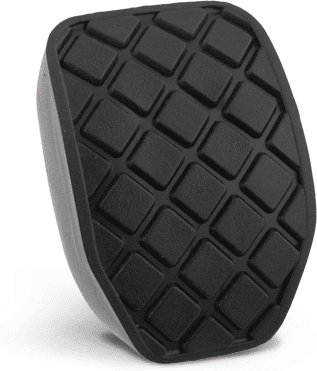
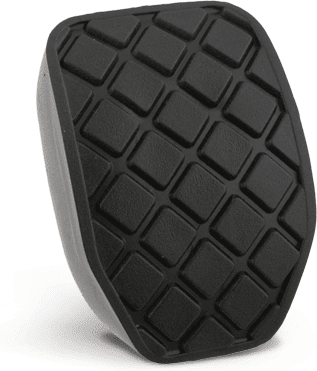
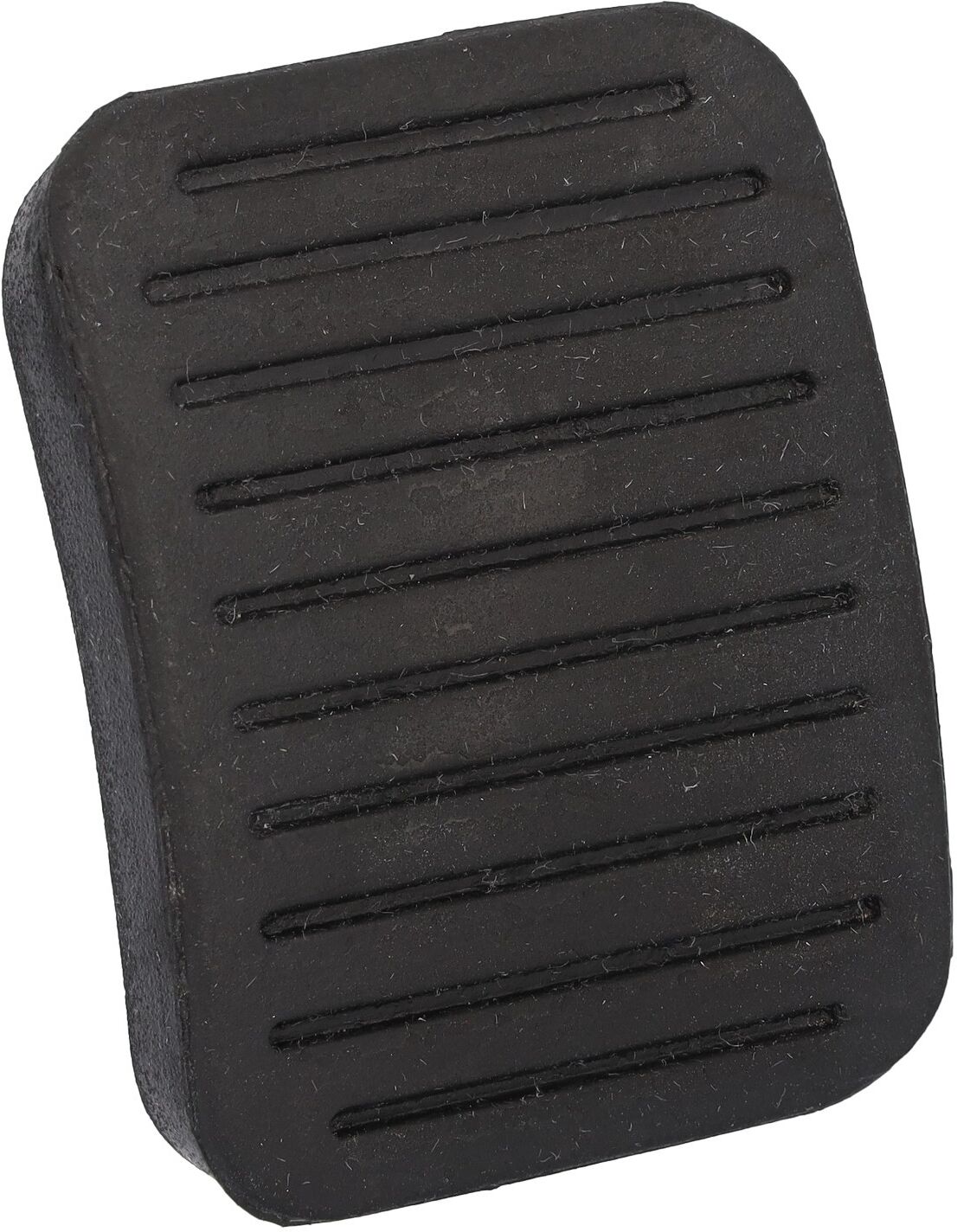
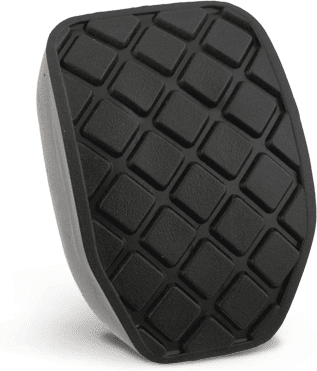
SWAG 20 91 4595 Brake pedal padLength [mm]: 76; Width [mm]: 109; Material: Rubber; Weight [kg]: 0,068; Transmission Type: Automatic Transmission, Sports Transmission; Left-/right-hand drive vehicles: for left-hand drive vehicles, for right-hand drive vehicles; Construction Year from: 01/1991, 05/1982, 03/2005; TecDoc Engine Number: 28389, 28392, 28393, 28384, 28390, 18170, 18038, 21152, 27472, 18168, 18358, 20342, 32633, 19922, 24405, 18945; Construction Year to: 09/1998; Clutch: for vehicles with double clutch7,59 £*Shipping: 8,45 £Secure redirect to the provider
-
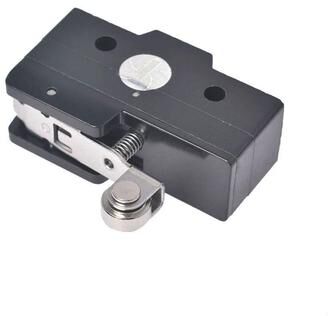
All Categories Goods EZGO TXT Golf Cart Brake Pedal Micro Switch Replacement EZGO TXT Golf Cart Brake Pedal Micro Switch ReplacementUpgrade your golf carts performance and safety with our 1 pc of Brake Pedal Micro Switch, designed specifically for EZGO TXT models. Perfect for both gas and electric carts, this switch ensures responsive braking every time, giving you peace of mind...39,97 $*Shipping: 0,00 $Secure redirect to the provider
-
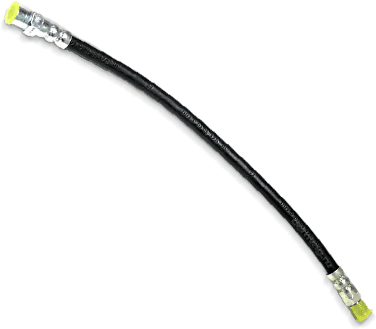
QUICK BRAKE 22.092 Brake hoseLength [mm]: 197; Thread Size 1: M10x1; Thread Size 2: M10x1; Thread Type: with internal thread; Fitting Position: Rear Axle Left, Rear Axle Right, inner; Braking/Driving Dynamics: for vehicles without ABS; Vehicle Identification Number (VIN) from: 8.043.880; Construction Year to: 10/2005; Braking System: for vehicles with drum brakes on the rear axle; Construction Year from: 09/20055,59 £*Shipping: 8,45 £Secure redirect to the provider

-
Do mountain bikes have a pedal brake?
No, mountain bikes typically do not have a pedal brake. Mountain bikes are usually equipped with hand brakes, either disc brakes or rim brakes, which are operated by levers on the handlebars. These types of brakes provide better control and stopping power, especially in off-road and mountainous terrain. Pedal brakes are more commonly found on cruiser or city bikes, where simplicity and ease of use are prioritized over performance. **
-
Why does the brake make a clacking noise when releasing the brake pedal?
The clacking noise when releasing the brake pedal could be due to a few different reasons. One possibility is that the brake pads are not releasing smoothly from the rotors, causing them to make a clacking sound as they move. Another potential cause could be worn or loose brake components, such as caliper hardware or anti-rattle clips, which can create a clacking noise when the brakes are released. It's important to have a professional mechanic inspect and diagnose the issue to ensure safe and proper functioning of the brakes. **
-
After an emergency brake, the cyclist supports himself.
After an emergency brake, the cyclist supports himself by using their legs to stabilize the bike and prevent it from tipping over. They may also use their arms to hold onto the handlebars or nearby objects for balance. It is important for the cyclist to stay alert and ready to react to any sudden movements or changes in the environment to avoid falling or getting injured. **
-
How does the brake pedal work during a wheelie?
During a wheelie, the brake pedal works by allowing the rider to control the front wheel's height and speed. By applying pressure to the brake pedal, the rider can bring the front wheel down to the ground, effectively ending the wheelie. This is achieved by reducing the speed of the front wheel and transferring weight to the front of the motorcycle. The brake pedal also provides a safety mechanism for the rider to prevent the bike from flipping over during a wheelie. **

Was the gas pedal pressed instead of the brake?
It is possible that the gas pedal was pressed instead of the brake, leading to unintended acceleration. This can happen if the driver accidentally applies pressure to the wrong pedal, especially in high-stress or emergency situations. It is important for drivers to stay calm and focused, and to be aware of which pedal they are pressing to avoid such incidents. Additionally, proper training and familiarization with the vehicle can help prevent these types of errors. **
Why does the brake pedal travel increase when the brake booster of the braking system is active?
When the brake booster is active, it uses vacuum pressure to assist the driver in applying the brakes. This assistance reduces the amount of force the driver needs to apply to the brake pedal to achieve the same braking effect. As a result, the brake pedal travel increases because the driver does not need to push the pedal as far to engage the brakes. This increased travel allows for a more gradual and controlled application of the brakes, resulting in smoother and more efficient braking. **
Top-Angebote
Products related to Brake:
-
SWAG 20 91 4595 Brake pedal padLength [mm]: 76; Width [mm]: 109; Material: Rubber; Weight [kg]: 0,068; Transmission Type: Automatic Transmission, Sports Transmission; Left-/right-hand drive vehicles: for left-hand drive vehicles, for right-hand drive vehicles; Construction Year from: 01/1991, 05/1982, 03/2005; TecDoc Engine Number: 28389, 28392, 28393, 28384, 28390, 18170, 18038, 21152, 27472, 18168, 18358, 20342, 32633, 19922, 24405, 18945; Construction Year to: 09/1998; Clutch: for vehicles with double clutch7,59 £*Shipping: 8,45 £Secure redirect to the provider
-
How does the brake pedal feel soft?
The brake pedal may feel soft if there is air in the brake lines, which can cause a spongy or mushy feeling when you press the pedal. This can happen due to a leak in the brake system or if the brake fluid is low. When the brake pedal feels soft, it can indicate a problem with the braking system that needs to be addressed promptly to ensure safe driving conditions. It is important to have the brake system inspected by a professional mechanic to diagnose and fix the issue. **
-
Can the brake pedal be fully depressed?
No, the brake pedal should not be fully depressed as this can cause the brakes to lock up and potentially lead to loss of control of the vehicle. The brake pedal should be pressed firmly and steadily to slow down or stop the vehicle safely. It is important to apply gradual pressure to the brake pedal to allow for smooth and controlled braking. **
-
Do mountain bikes have a pedal brake?
No, mountain bikes typically do not have a pedal brake. Mountain bikes are usually equipped with hand brakes, either disc brakes or rim brakes, which are operated by levers on the handlebars. These types of brakes provide better control and stopping power, especially in off-road and mountainous terrain. Pedal brakes are more commonly found on cruiser or city bikes, where simplicity and ease of use are prioritized over performance. **
-
Why does the brake make a clacking noise when releasing the brake pedal?
The clacking noise when releasing the brake pedal could be due to a few different reasons. One possibility is that the brake pads are not releasing smoothly from the rotors, causing them to make a clacking sound as they move. Another potential cause could be worn or loose brake components, such as caliper hardware or anti-rattle clips, which can create a clacking noise when the brakes are released. It's important to have a professional mechanic inspect and diagnose the issue to ensure safe and proper functioning of the brakes. **
Similar search terms for Brake
-
All Categories Goods EZGO TXT Golf Cart Brake Pedal Micro Switch Replacement EZGO TXT Golf Cart Brake Pedal Micro Switch ReplacementUpgrade your golf carts performance and safety with our 1 pc of Brake Pedal Micro Switch, designed specifically for EZGO TXT models. Perfect for both gas and electric carts, this switch ensures responsive braking every time, giving you peace of mind...39,97 $*Shipping: 0,00 $Secure redirect to the provider
-
QUICK BRAKE 22.092 Brake hoseLength [mm]: 197; Thread Size 1: M10x1; Thread Size 2: M10x1; Thread Type: with internal thread; Fitting Position: Rear Axle Left, Rear Axle Right, inner; Braking/Driving Dynamics: for vehicles without ABS; Vehicle Identification Number (VIN) from: 8.043.880; Construction Year to: 10/2005; Braking System: for vehicles with drum brakes on the rear axle; Construction Year from: 09/20055,59 £*Shipping: 8,45 £Secure redirect to the provider
-
QUICK BRAKE 32.937 Brake hoseLength [mm]: 440; Thread Size 1: M10x1; Thread Type: with internal thread, with external thread; Thread Size 2: M10x1; Fitting Position: Front Axle Left, Front Axle Right, Rear Axle Left, Rear Axle Right; Vehicle Identification Number (VIN) from: 50-M-035001; Construction Year to: 02/1995; Construction Year from: 11/19967,59 £*Shipping: 8,45 £Secure redirect to the provider
-
After an emergency brake, the cyclist supports himself.
After an emergency brake, the cyclist supports himself by using their legs to stabilize the bike and prevent it from tipping over. They may also use their arms to hold onto the handlebars or nearby objects for balance. It is important for the cyclist to stay alert and ready to react to any sudden movements or changes in the environment to avoid falling or getting injured. **
-
How does the brake pedal work during a wheelie?
During a wheelie, the brake pedal works by allowing the rider to control the front wheel's height and speed. By applying pressure to the brake pedal, the rider can bring the front wheel down to the ground, effectively ending the wheelie. This is achieved by reducing the speed of the front wheel and transferring weight to the front of the motorcycle. The brake pedal also provides a safety mechanism for the rider to prevent the bike from flipping over during a wheelie. **
-
Was the gas pedal pressed instead of the brake?
It is possible that the gas pedal was pressed instead of the brake, leading to unintended acceleration. This can happen if the driver accidentally applies pressure to the wrong pedal, especially in high-stress or emergency situations. It is important for drivers to stay calm and focused, and to be aware of which pedal they are pressing to avoid such incidents. Additionally, proper training and familiarization with the vehicle can help prevent these types of errors. **
-
Why does the brake pedal travel increase when the brake booster of the braking system is active?
When the brake booster is active, it uses vacuum pressure to assist the driver in applying the brakes. This assistance reduces the amount of force the driver needs to apply to the brake pedal to achieve the same braking effect. As a result, the brake pedal travel increases because the driver does not need to push the pedal as far to engage the brakes. This increased travel allows for a more gradual and controlled application of the brakes, resulting in smoother and more efficient braking. **
* All prices are inclusive of VAT and, if applicable, plus shipping costs. The offer information is based on the details provided by the respective shop and is updated through automated processes. Real-time updates do not occur, so deviations can occur in individual cases. ** Note: Parts of this content were created by AI.