Buy roadcycling.eu ?
We are moving the project
roadcycling.eu .
Are you interested in purchasing the domain
roadcycling.eu ?
domain@kv-gmbh.de · 0541-91531010
Buy roadcycling.eu ?
What intermolecular forces exist?
Intermolecular forces are the forces of attraction and repulsion between molecules. The main types of intermolecular forces include London dispersion forces, dipole-dipole interactions, and hydrogen bonding. London dispersion forces are the weakest type of intermolecular force and occur between all molecules. Dipole-dipole interactions occur between polar molecules, where the positive end of one molecule is attracted to the negative end of another. Hydrogen bonding is a special type of dipole-dipole interaction that occurs when hydrogen is bonded to highly electronegative atoms like oxygen, nitrogen, or fluorine. **
What are intermolecular interactions?
Intermolecular interactions are the forces of attraction or repulsion between molecules. These interactions play a crucial role in determining the physical and chemical properties of substances. Examples of intermolecular interactions include hydrogen bonding, van der Waals forces, and dipole-dipole interactions. These forces can affect properties such as boiling and melting points, solubility, and viscosity. **


Similar search terms for Intermolecular
Top-Angebote
Products related to Intermolecular:
-
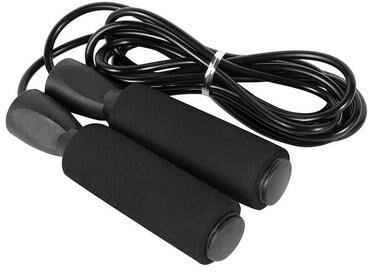
Multicon Wholesale Hub Adjustable Speed Jump Rope For Boxing Cardio And Fitness Training Adjustable Speed Jump Rope For Boxing Cardio And Fitness TrainingBuild a stronger cardio routine with a rope that makes every session feel smoother and more effective. This speed jump rope is designed for adults who want quick, efficient workouts at home, at the gym, or during boxing practice. Its adjustable 9.8...49,97 $*Shipping: 0,00 $Secure redirect to the provider
-
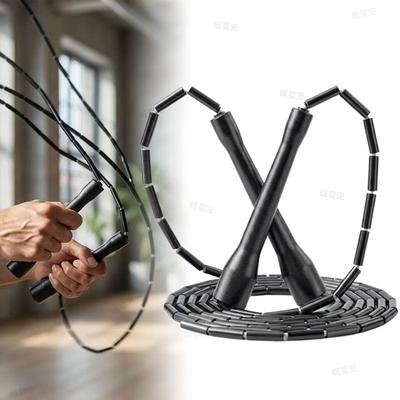
Smart Shopping Spot Pro Beaded Fitness Jump Rope For Speed Training, Cardio Workouts & Endurance Pro Beaded Fitness Jump Rope For Speed Training, Cardio Workouts & EnduranceTake every workout to the next level with this beaded jump rope designed to build speed, coordination, and endurance. Whether you're a beginner, athlete, or fitness enthusiast, this fitness jump rope delivers smooth, consistent performance for...31,97 $*Shipping: 0,00 $Secure redirect to the provider
-
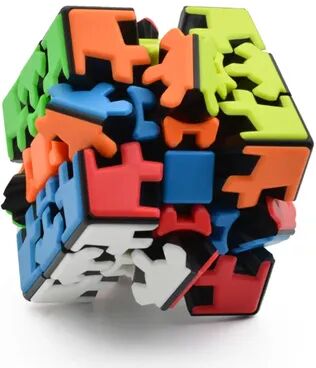
Smart Shopping Spot Kids Gear Magic Cube Puzzle Professional Speed Gear Puzzle For Kids Kids Gear Magic Cube Puzzle Professional Speed Gear Puzzle For KidsUnlock hours of fun and brainteasing excitement with the Kids Gear Magic Cube. Perfect for young minds, this puzzle promotes critical thinking, problemsolving, and concentration. Whether at home or on the go, the speed gear puzzle provides endless...34,97 $*Shipping: 0,00 $Secure redirect to the provider
-
All Categories Goods Agility Speed Training Ladder For Football Footwork & Fitness Heavy Duty Exercise Equipment Agility Speed Training Ladder For Football Footwork & Fitness Heavy Duty Exercise EquipmentBoost your agility and footwork with this 8rung agility ladder, designed to take your fitness and football training to the next level. Whether you're an athlete or a fitness enthusiast, this training ladder will enhance your speed, coordination, and...47,97 $*Shipping: 0,00 $Secure redirect to the provider

-
What are intermolecular forces?
Intermolecular forces are the attractive forces that exist between molecules. These forces are responsible for holding molecules together in a liquid or solid state. There are several types of intermolecular forces, including hydrogen bonding, dipole-dipole interactions, and London dispersion forces. These forces play a crucial role in determining the physical properties of substances, such as their boiling and melting points, as well as their solubility and viscosity. **
-
How are intermolecular forces classified?
Intermolecular forces are classified into three main categories: dispersion forces, dipole-dipole forces, and hydrogen bonding. Dispersion forces are the weakest type of intermolecular force and are caused by temporary fluctuations in electron distribution within molecules. Dipole-dipole forces occur between polar molecules and are stronger than dispersion forces. Hydrogen bonding is the strongest type of intermolecular force and occurs when hydrogen is bonded to highly electronegative atoms like oxygen, nitrogen, or fluorine. **
-
What are strong intermolecular interactions?
Strong intermolecular interactions are attractive forces between molecules that are stronger than typical van der Waals forces. These interactions can include hydrogen bonding, dipole-dipole interactions, and ion-dipole interactions. Strong intermolecular interactions play a crucial role in determining the physical properties of substances such as boiling point, melting point, and solubility. They are important in various biological processes, such as protein folding and DNA replication. **
-
Which intermolecular interactions are possible?
Intermolecular interactions that are possible include hydrogen bonding, dipole-dipole interactions, and London dispersion forces. Hydrogen bonding occurs when a hydrogen atom is bonded to a highly electronegative atom such as oxygen, nitrogen, or fluorine. Dipole-dipole interactions occur between molecules with permanent dipoles, while London dispersion forces are the weakest intermolecular interactions and occur between all molecules due to temporary fluctuations in electron distribution. These interactions play a crucial role in determining the physical properties of substances such as boiling and melting points. **
What are intermolecular interactions in chemistry?
Intermolecular interactions are the forces of attraction or repulsion between molecules. These interactions play a crucial role in determining the physical properties of substances, such as boiling point, melting point, and solubility. The main types of intermolecular interactions include hydrogen bonding, dipole-dipole interactions, and van der Waals forces. These interactions are weaker than chemical bonds within a molecule, but they still significantly impact the behavior and properties of substances. **
Which intermolecular forces are the strongest?
The strongest intermolecular forces are hydrogen bonding, which occurs when a hydrogen atom is bonded to a highly electronegative atom such as oxygen, nitrogen, or fluorine. Hydrogen bonding is stronger than dipole-dipole interactions and London dispersion forces. This is because hydrogen bonding involves a particularly strong attraction between the partially positive hydrogen atom and the partially negative atom it is bonded to, leading to a higher energy of interaction compared to other intermolecular forces. **
Top-Angebote
Products related to Intermolecular:
-
Healfit Counter Leg Stretcher, Fitness Split Training, Stretching Machine, Martial Arts Exercise Gear Leg Stretcher, Fitness Split Training, Stretching Machine, Martial Arts Exercise GearAchieve ultimate flexibility and lean, toned legs with our Stretching Machine Leg Stretcher. Made from highquality steel and ABS with a corrosionresistant finish, this durable machine ensures longlasting performance and safe workouts for all fitness...109,97 $*Shipping: 0,00 $Secure redirect to the provider
-
Smart Shopping Spot Beaded Fitness Jump Rope For Speed Training Boxing & Cardio Workouts Beaded Fitness Jump Rope For Speed Training Boxing & Cardio WorkoutsTransform every workout into a fun, effective fitness session with this beaded jump rope designed for smooth, consistent performance. Whether you're a beginner, athlete, or fitness enthusiast, this fitness jump rope helps improve coordination,...34,97 $*Shipping: 0,00 $Secure redirect to the provider
-
Multicon Wholesale Hub Adjustable Speed Jump Rope For Boxing Cardio And Fitness Training Adjustable Speed Jump Rope For Boxing Cardio And Fitness TrainingBuild a stronger cardio routine with a rope that makes every session feel smoother and more effective. This speed jump rope is designed for adults who want quick, efficient workouts at home, at the gym, or during boxing practice. Its adjustable 9.8...49,97 $*Shipping: 0,00 $Secure redirect to the provider
-
Smart Shopping Spot Pro Beaded Fitness Jump Rope For Speed Training, Cardio Workouts & Endurance Pro Beaded Fitness Jump Rope For Speed Training, Cardio Workouts & EnduranceTake every workout to the next level with this beaded jump rope designed to build speed, coordination, and endurance. Whether you're a beginner, athlete, or fitness enthusiast, this fitness jump rope delivers smooth, consistent performance for...31,97 $*Shipping: 0,00 $Secure redirect to the provider
-
What intermolecular forces exist?
Intermolecular forces are the forces of attraction and repulsion between molecules. The main types of intermolecular forces include London dispersion forces, dipole-dipole interactions, and hydrogen bonding. London dispersion forces are the weakest type of intermolecular force and occur between all molecules. Dipole-dipole interactions occur between polar molecules, where the positive end of one molecule is attracted to the negative end of another. Hydrogen bonding is a special type of dipole-dipole interaction that occurs when hydrogen is bonded to highly electronegative atoms like oxygen, nitrogen, or fluorine. **
-
What are intermolecular interactions?
Intermolecular interactions are the forces of attraction or repulsion between molecules. These interactions play a crucial role in determining the physical and chemical properties of substances. Examples of intermolecular interactions include hydrogen bonding, van der Waals forces, and dipole-dipole interactions. These forces can affect properties such as boiling and melting points, solubility, and viscosity. **
-
What are intermolecular forces?
Intermolecular forces are the attractive forces that exist between molecules. These forces are responsible for holding molecules together in a liquid or solid state. There are several types of intermolecular forces, including hydrogen bonding, dipole-dipole interactions, and London dispersion forces. These forces play a crucial role in determining the physical properties of substances, such as their boiling and melting points, as well as their solubility and viscosity. **
-
How are intermolecular forces classified?
Intermolecular forces are classified into three main categories: dispersion forces, dipole-dipole forces, and hydrogen bonding. Dispersion forces are the weakest type of intermolecular force and are caused by temporary fluctuations in electron distribution within molecules. Dipole-dipole forces occur between polar molecules and are stronger than dispersion forces. Hydrogen bonding is the strongest type of intermolecular force and occurs when hydrogen is bonded to highly electronegative atoms like oxygen, nitrogen, or fluorine. **
Similar search terms for Intermolecular
-
Smart Shopping Spot Kids Gear Magic Cube Puzzle Professional Speed Gear Puzzle For Kids Kids Gear Magic Cube Puzzle Professional Speed Gear Puzzle For KidsUnlock hours of fun and brainteasing excitement with the Kids Gear Magic Cube. Perfect for young minds, this puzzle promotes critical thinking, problemsolving, and concentration. Whether at home or on the go, the speed gear puzzle provides endless...34,97 $*Shipping: 0,00 $Secure redirect to the provider
-
All Categories Goods Agility Speed Training Ladder For Football Footwork & Fitness Heavy Duty Exercise Equipment Agility Speed Training Ladder For Football Footwork & Fitness Heavy Duty Exercise EquipmentBoost your agility and footwork with this 8rung agility ladder, designed to take your fitness and football training to the next level. Whether you're an athlete or a fitness enthusiast, this training ladder will enhance your speed, coordination, and...47,97 $*Shipping: 0,00 $Secure redirect to the provider
-
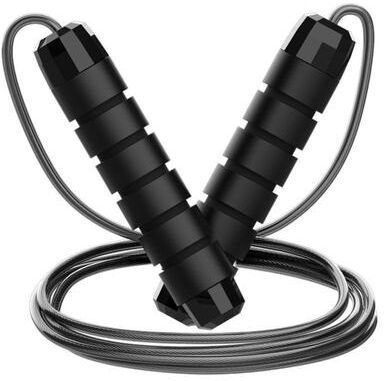
Clever Finds Adjustables Steel Wire Speed Jump Rope For Cardio Fitness Training a1Turn everyday workouts into energetic fullbody training with this adjustable jump rope. Designed for beginners and fitness enthusiasts, it supports cardio, coordination, stamina, and footwork exercises at home or in the gym. The durable steel wire...54,97 $*Shipping: 0,00 $Secure redirect to the provider
-
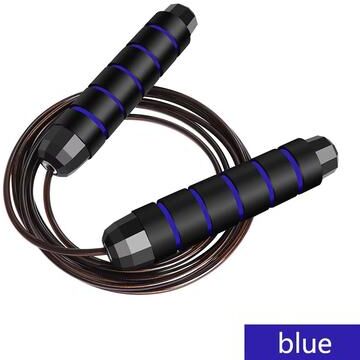
Clever Finds Adjustable Steel Wire Speed Jump Rope For Cardio Fitness Training blueTurn everyday workouts into fast, energizing training with this adjustable jump rope built for convenient fitness anywhere. The durable steel wire jump rope provides responsive movement for smooth, consistent skipping. Its tangle free jump rope...44,97 $*Shipping: 0,00 $Secure redirect to the provider
-
What are strong intermolecular interactions?
Strong intermolecular interactions are attractive forces between molecules that are stronger than typical van der Waals forces. These interactions can include hydrogen bonding, dipole-dipole interactions, and ion-dipole interactions. Strong intermolecular interactions play a crucial role in determining the physical properties of substances such as boiling point, melting point, and solubility. They are important in various biological processes, such as protein folding and DNA replication. **
-
Which intermolecular interactions are possible?
Intermolecular interactions that are possible include hydrogen bonding, dipole-dipole interactions, and London dispersion forces. Hydrogen bonding occurs when a hydrogen atom is bonded to a highly electronegative atom such as oxygen, nitrogen, or fluorine. Dipole-dipole interactions occur between molecules with permanent dipoles, while London dispersion forces are the weakest intermolecular interactions and occur between all molecules due to temporary fluctuations in electron distribution. These interactions play a crucial role in determining the physical properties of substances such as boiling and melting points. **
-
What are intermolecular interactions in chemistry?
Intermolecular interactions are the forces of attraction or repulsion between molecules. These interactions play a crucial role in determining the physical properties of substances, such as boiling point, melting point, and solubility. The main types of intermolecular interactions include hydrogen bonding, dipole-dipole interactions, and van der Waals forces. These interactions are weaker than chemical bonds within a molecule, but they still significantly impact the behavior and properties of substances. **
-
Which intermolecular forces are the strongest?
The strongest intermolecular forces are hydrogen bonding, which occurs when a hydrogen atom is bonded to a highly electronegative atom such as oxygen, nitrogen, or fluorine. Hydrogen bonding is stronger than dipole-dipole interactions and London dispersion forces. This is because hydrogen bonding involves a particularly strong attraction between the partially positive hydrogen atom and the partially negative atom it is bonded to, leading to a higher energy of interaction compared to other intermolecular forces. **
* All prices are inclusive of VAT and, if applicable, plus shipping costs. The offer information is based on the details provided by the respective shop and is updated through automated processes. Real-time updates do not occur, so deviations can occur in individual cases. ** Note: Parts of this content were created by AI.